Increasing tourism is leaving its mark there. Fortunately, eco initiatives are springing up like palm trees!
Bali is popular. Among backpackers, honeymooners and everything in between. Over the next few weeks, Maartje for Stop and Stare gives travel tips to discover the best aspects of this destination. Think surfing around the southwest coast, volcano tours inland and snorkelling adventures in Amed. We start this series on a green note; Ecotourism in Bali!
The island
What exactly is Bali as a destination? Bali is an island the size of the province of North Brabant with a population of 4 million. Sandwiched between Java and Lombok, the westernmost island of the Lesser Sunda Islands and surrounded by the Bali Sea to the north, the streets of Lombok and Bali, and the Indian Ocean to the south.
The Ibiza of Asia?
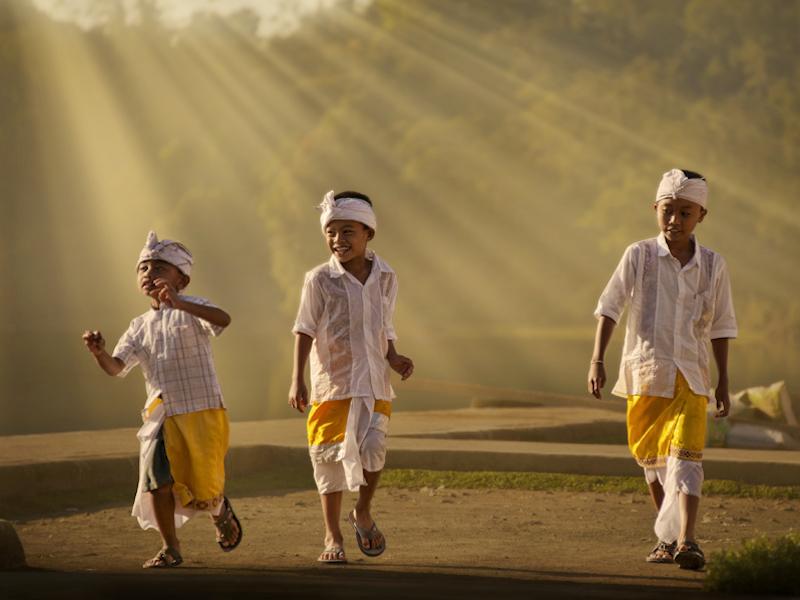
Bali has immense appeal to tourists from all over the world. In 2014, 3.8 million people visited the island, almost 15% more than the year before. A quarter of all those tourists are Australians (Jakarta Post Jan 2015). Bali is the party island for them. A bit what Ibiza is to us, but cheaper. Never ask an Aussie where to go in Bali, the answer you will almost always get is "there's only two places to go really: Kuta and Denpasar". Let those be precisely the two places you don't want to go on the island, unless you like crowded and dirty.
The government has big plans for Bali, the flow of tourists is growing and growing. You can find a wide selection of hotels on Bali at tophotels.com catering to various budgets and tastes. From budget hostels to luxury stays like the Komaneka At Rasa Sayang Ubud Hotel.
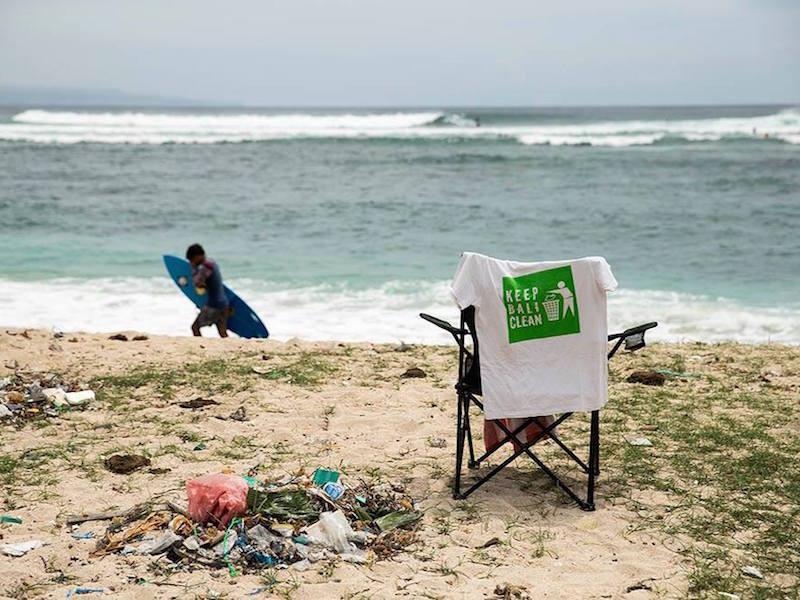
However, this boom in tourism also has less positive consequences for the island: pollution, scarce water supplies, traffic congestion and big income differences between islanders because most tourists stay in the south and that's where most of the money goes. Nature also suffers from tourism. Rice fields have to make way for hotels, native animal species disappear, deforestation around the coasts causes flooding and water quality around the beaches has seriously deteriorated leading to degradation of coral reefs off the coast.
Considering the natural beauty of the island, many travellers also opt to stay in Ubud, known for its serene environment and rich cultural heritage. For those who are keen to explore the side of Bali that is away from the bustling tourism hotspots, Ubud offers plenty of attractions. You can check out https://www.all-balihotels.net/en/ubud-hotels-15271/ for a choice of hotels in this area.
Sustainable initiatives
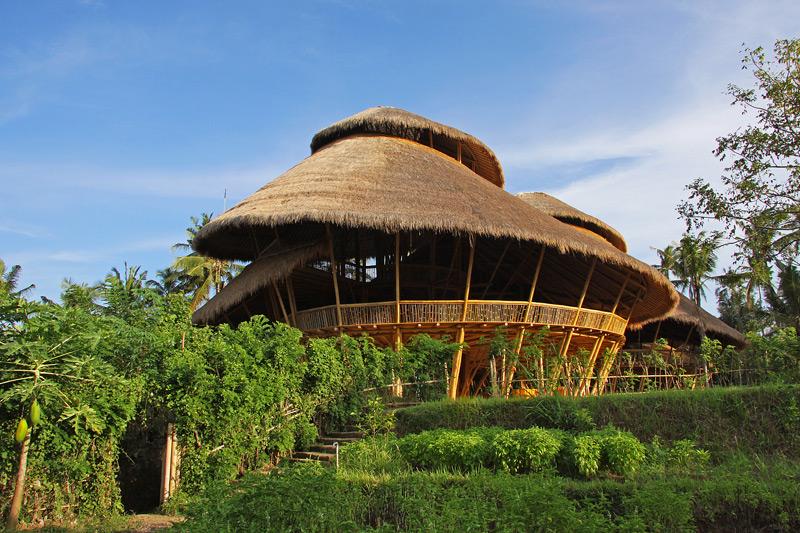
Fortunately, sustainable initiatives are springing up like palm trees and eco-tourism in Bali is developing rapidly. Change starts with education and that is exactly what the Green School Bali is doing. It is a new education system in which nature is central. In addition to language and maths, children are taught vegetable gardening and learn about sustainability and what they themselves can contribute to keep the island and its people healthy.
Jane Goodall was one of the guest teachers in 2014 and United Nations Secretary-General Ban Ki-Moon also visited the Greenschool. In addition to education for children and youth, courses for adults are also held on various topics, such as building new water systems, rice farming and design and design with sustainable materials like bamboo.
Eco-friendly accommodations
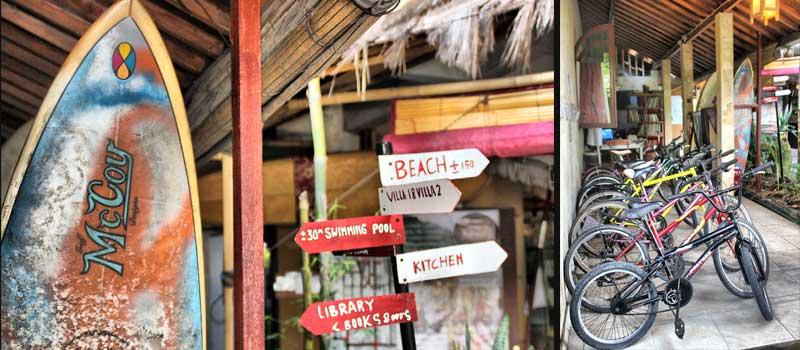
Want to stay in one of those sustainably designed bamboo houses or build your own? You can. The Green Village site has all the information you need. It's pricey though so if you're looking for an affordable eco alternative, check out the site of Serenity Eco Guesthouse in Canggu. Prices range from 185,000 rp (€13 euros) for backpackers to 750,000 rp (€52 euros) for family rooms. You can eat Raw food there, awaken your inner yogi and take surf lessons. They sit just 150 metres from the beach.
Another great option to stay in accommodation that is part of Bali's ecotourism is Aiona Garden of Health in Amed. A sheltered spot on the beach where, for the early birds, the first yoga class starts at 05.15. They have several beachfront bungalows from €25 a night for two people including breakfast. The vegetarian restaurant cooks according to Ayurvedic principles, based on lots of herbs, vegetables and exotic fruits. Along the walls are large pots of all kinds of tea and, of course, you can order fresh young coconut and Kombucha. The eco-principles are strictly enforced: no air conditioning and no swimming pool (you have the sea on your doorstep).
Aiona has also been organising English classes for local children since 2006. You can visit and financially support this educational project. Help in the form of teaching materials is also much appreciated. Lego, water colours and clothes in good condition are very welcome. There is also a small shell museum at Aiona, where you can take a guided tour in English about Balinese marine life and the state of biodiversity on the island. You can find more eco-friendly hotels and guesthouses on the It's a green world site.
Contribute to ecotourism on Bali
Want to volunteer to participate in eco-projects on the island? Reef Check is involved in coral reef conservation. A project for real sea creatures who like to keep the beaches clean. The Bali Animal Welfare Association looks after Bali's street dogs and fights the spread of rabies. Sometimes the BAWA has room for volunteers with special knowledge, for example in marketing and fundraising or veterinary medicine.
Through Volunteering Programs Bali, you can keep up to date with current volunteer projects related to ecotourism in Bali. In addition, Keep Bali Clean is an organisation that organises concrete actions, from beach clean ups to handing out reusable shopping bags, to combat the waste problem on the island. Follow them on Facebook to keep up to date with new actions. In April, the annual Earth Day Bali Festival is organised in Ubud by Indonesia Organic around various environment-related themes that are at play in Bali.