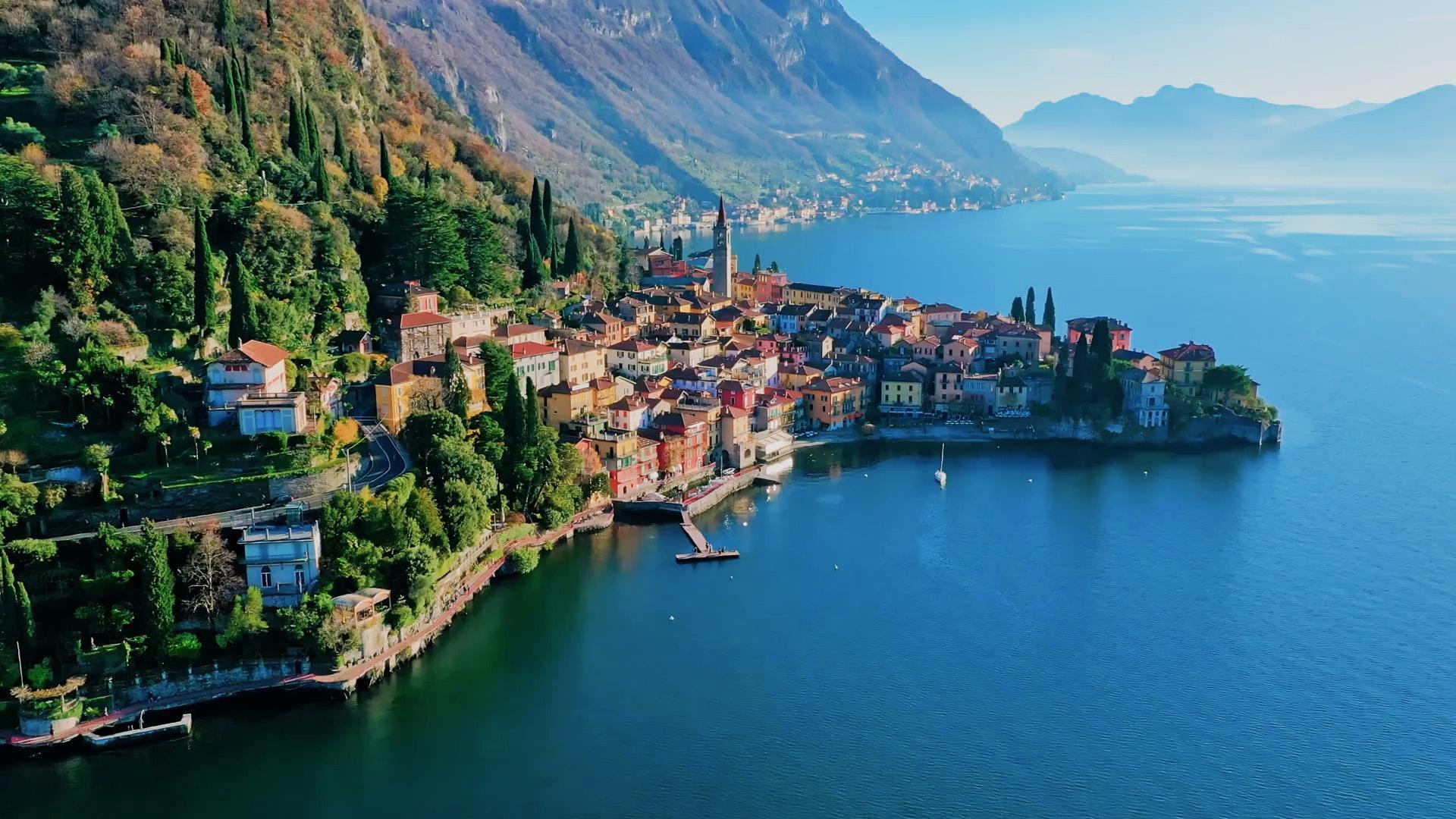
Exploring the World's Most Captivating Sunsets: A Journey with Sunset Cities
Welcome to Sunset Cities, your trusted source for chasing the sun and discovering mesmerizing destinations around the world. While our roots are firmly planted in celebrating the beauty of sunsets, we're expanding our horizons to bring you an exciting blend of travel tales and the most picturesque sunsets on Earth. Join us on this extraordinary journey where we explore captivating places and the moments when the world turns golden.
Where Sunsets Meet Adventure
For years, Sunset Cities has been your digital haven for sunset enthusiasts, providing stunning visuals of twilight moments from across the globe. Now, we're setting out on an even greater adventure, where sunsets are just the beginning. While we continue to cherish the magic of dusk, we're also taking you on immersive journeys to the very spots where these enchanting sunsets unfold.
From Twilight to Travel
Our commitment to capturing the allure of sunsets remains unchanged. However, we understand that every stunning sunset is part of a larger tapestry—a destination that beckons with its own unique charm. Sunset Cities will now guide you through these destinations, ensuring you have unforgettable experiences in addition to witnessing breathtaking sunsets.
Wanderlust in Every Frame
Explore the enchanting cities of the world through our travel articles. From the bustling streets of Marrakech to the serene landscapes of New Zealand, we'll paint vivid pictures of the places we visit, providing you with essential travel tips, hidden gems, and local insights.
The Sunset Chronicles
Of course, our signature feature—The Sunset Chronicles—will continue to celebrate the beauty of sunsets. Join us as we capture these moments of magic and share the stories behind them. Each sunset is a chapter in our ever-expanding chronicle, a testament to the stunning diversity of our world.
Just as the sun sets to reveal a world of stars, our travel guides will uncover hidden treasures, both popular and off the beaten path. We'll take you beyond the iconic landmarks to connect with local culture, taste exotic flavors, and immerse yourself in the essence of each destination.
Your Journey Begins
Whether you're a seasoned traveler or simply seeking inspiration for your next adventure, Sunset Cities invites you to embark on this new chapter. Expect to be captivated by the splendor of sunsets and enthralled by the wonders of the world they illuminate. Let's journey together to explore the breathtaking landscapes, vibrant cultures, and awe-inspiring moments our planet has to offer.
Sunset Cities has evolved, but our passion for sharing the beauty of sunsets and the allure of travel remains at the heart of our mission. We invite you to be part of our journey, where the world's most captivating sunsets become the backdrop for unforgettable adventures. From twilight to travel, let's explore this remarkable world together, one sunset at a time. Your extraordinary journey with Sunset Cities begins now.